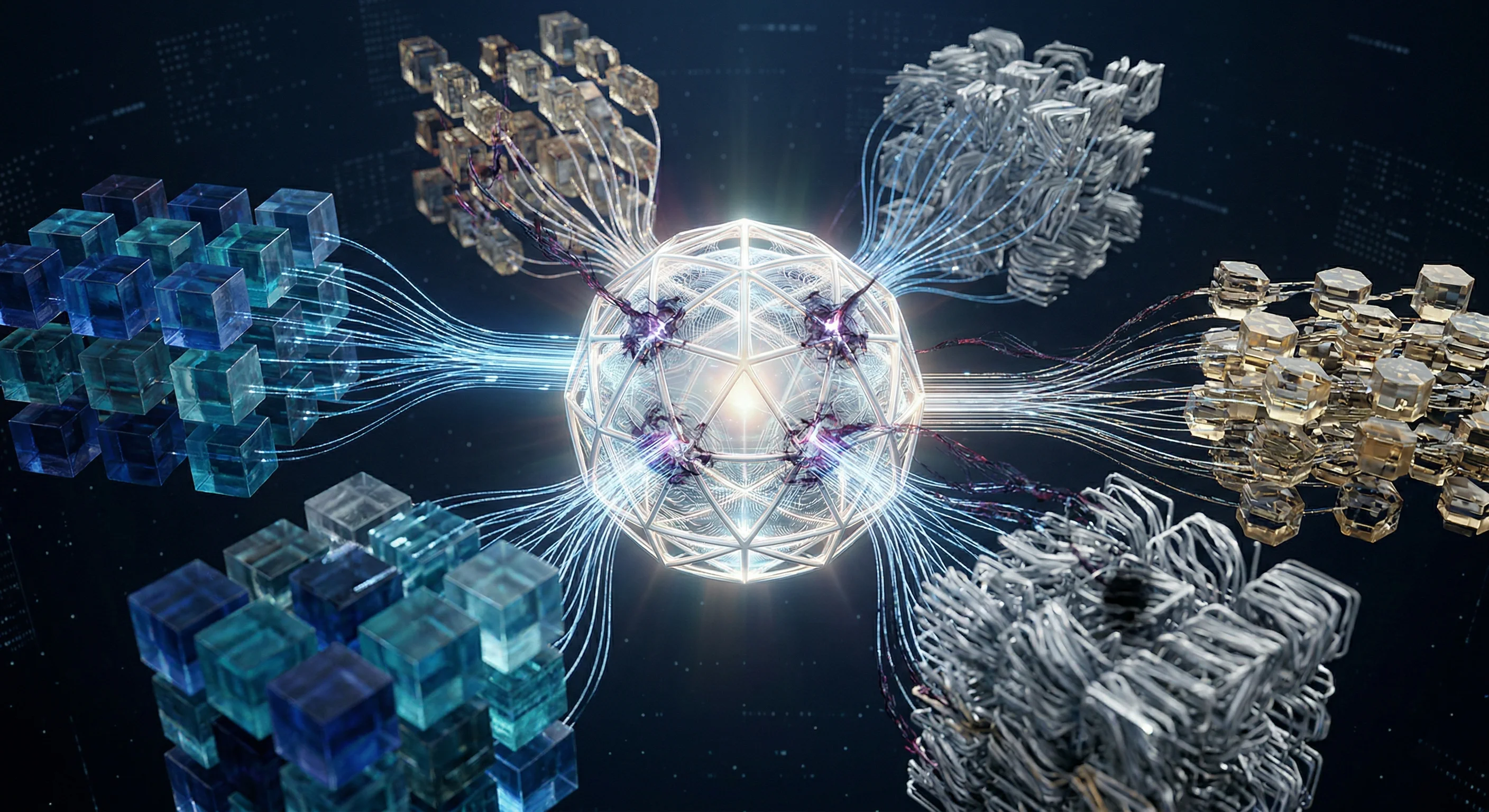
Generative AI is rapidly becoming an integration layer across enterprise knowledge sources, business applications, and workflows. This architectural shift introduces a fundamentally new class of security and governance risk.
As organizations connect models like ChatGPT or custom agents directly to core repositories (Google Drive, Microsoft 365, internal wikis), they establish long-lived delegated credentials. This threat model brief outlines how connected knowledge sources expand enterprise blast radius and why continuous supervision is the only viable protection.
Why Connected Knowledge Sources Expand Risk
- Delegated OAuth Access: A single user action can silently establish long-lived access between GenAI tools and enterprise systems, bypassing traditional network perimeters.
- Visibility Gaps: Delegated permissions often persist indefinitely without security teams' knowledge, creating hidden backchannels to sensitive intellectual property.
- Data Oversharing: A connection to a repository like Google Drive or SharePoint can expose all data accessible by that user's broad delegated scopes, exposing files they didn't intend to share.
- Fragmented Vendor Controls: Relying on individual vendors' separate security toggles is unscalable as AI adoption scales across multiple business applications.
Classie OBS-SEC Capabilities
- Continuous Detection: Instantly maps every active connection between models, tools, and company data stores.
- Granular Permission Visibility: Surfaces exactly what scopes have been delegated and highlights over-permissioned access.
- Real-Time Guardrails: Intervenes when anomalous or broad data access queries are issued by GenAI applications.
- Immutable Audit Telemetry: Retains forensic logs of prompts, tool outputs, and document access for compliance.