

AI is sliding from a feature inside the product to the thing running the product, and then the grid, the hospital, and the business behind it. That shift is where Poonacha started his chat with Robert Scoble, and it's the reason Classie exists.
He and his co-founders have spent their careers building machine-learning systems, so the warning came from experience rather than a slide. The moment you wrap an enterprise workflow around a model, you leave behind the deterministic software that IT has always known how to govern, and you take on something that behaves more like a hire than a program.
You can't read a model
So Scoble asked the question every operator is sitting with: once these things are in production, what actually goes wrong? Poonacha started where the trouble starts, with the model itself.
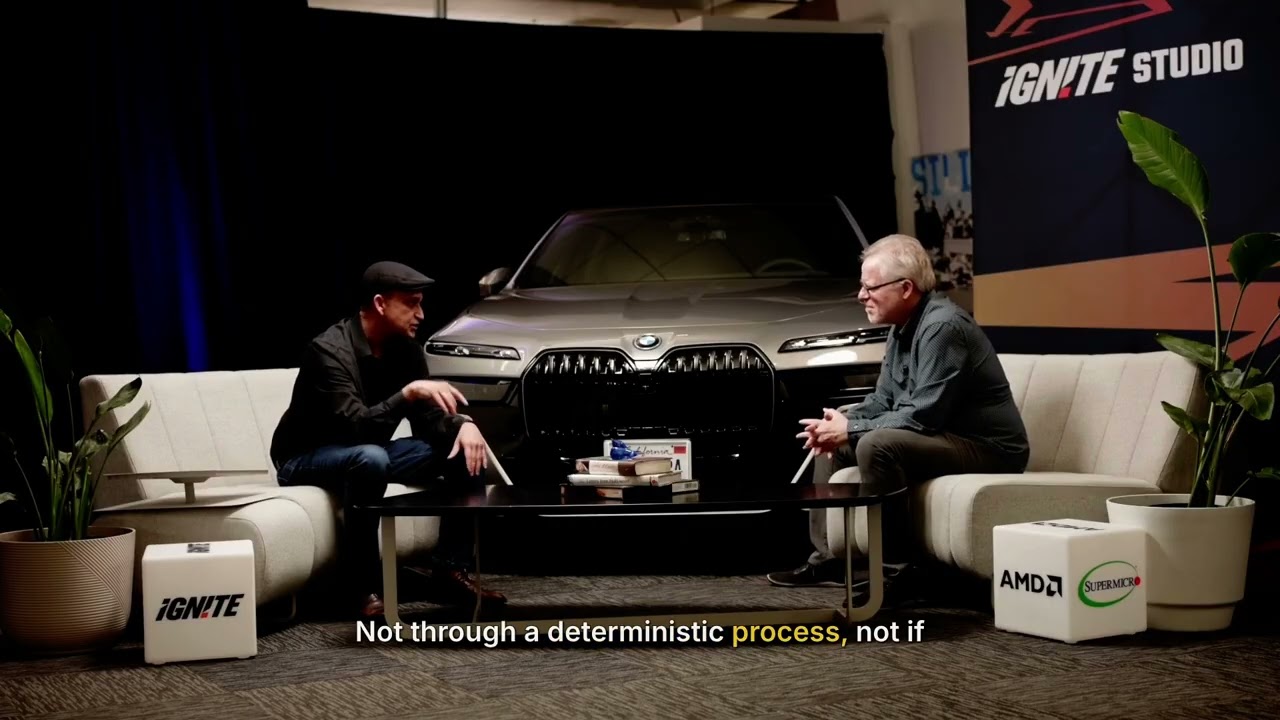
Now take one unreadable, probabilistic box and multiply it by the thousands of teams wrapping applications around it, each unpredictable in its own small way. The variability doesn't average out. It compounds, and it does so inside systems where being wrong has real consequences.
Agents are like people
If you can't open the box and read it, how do you ever trust what's inside? Poonacha's answer is the line that reframes the entire problem, and it's worth hearing him land it.
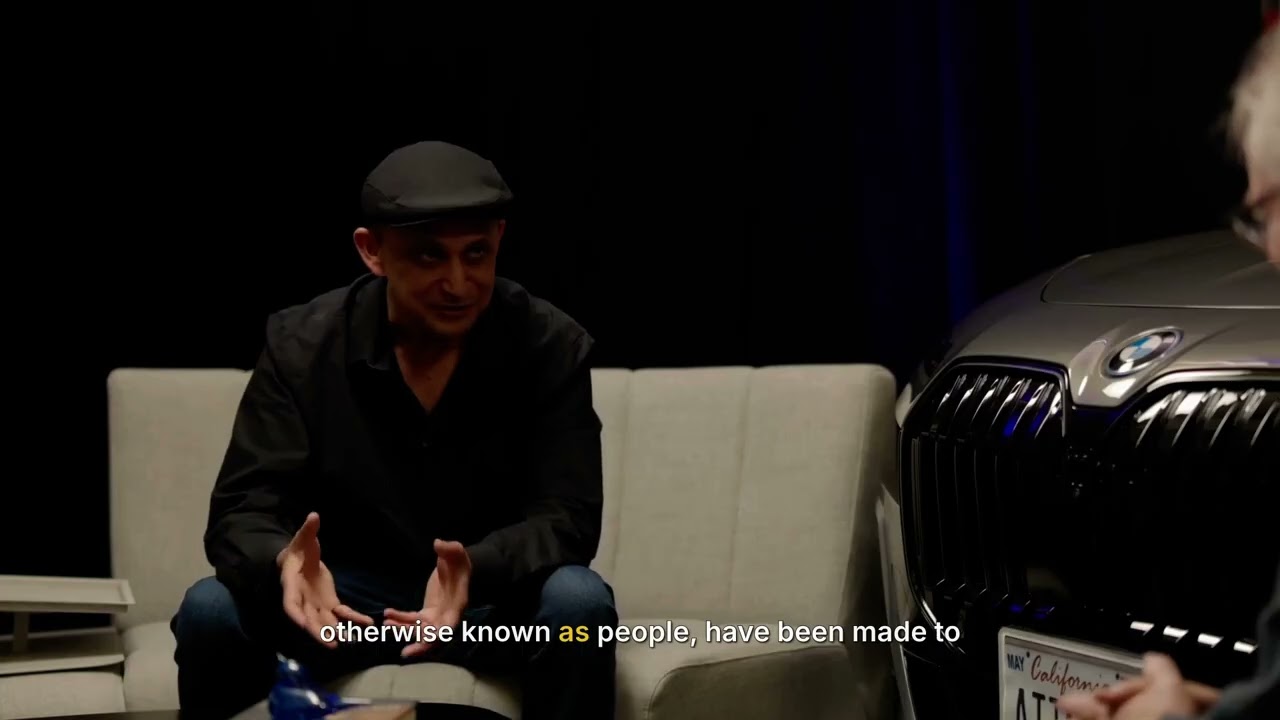
We have run organizations, armies, and whole economies on people without ever reading their minds. We supervise instead, with feedback, coaching, and a few rules big enough to matter. An agent needs the same arrangement, with one difference. It moves too fast for a quarterly review, so the supervision has to happen in real time, while the work is still in motion.
A brand-new battle space
That speed cuts both ways. An agent is a fresh attack surface for anyone who wants in, and it's a well-meaning colleague that can do real damage entirely by accident. The second face is the one people underestimate, and Poonacha had the example the room already knew.

No malice, no breach, no alarm. A well-intentioned actor doing what it thought was asked, at machine speed, with no way to account for itself afterward. That's the half of the problem pre-deployment testing was never going to catch, because the failure only exists in what the agent actually did, in context, the moment it did it.
Discover, analyze, supervise
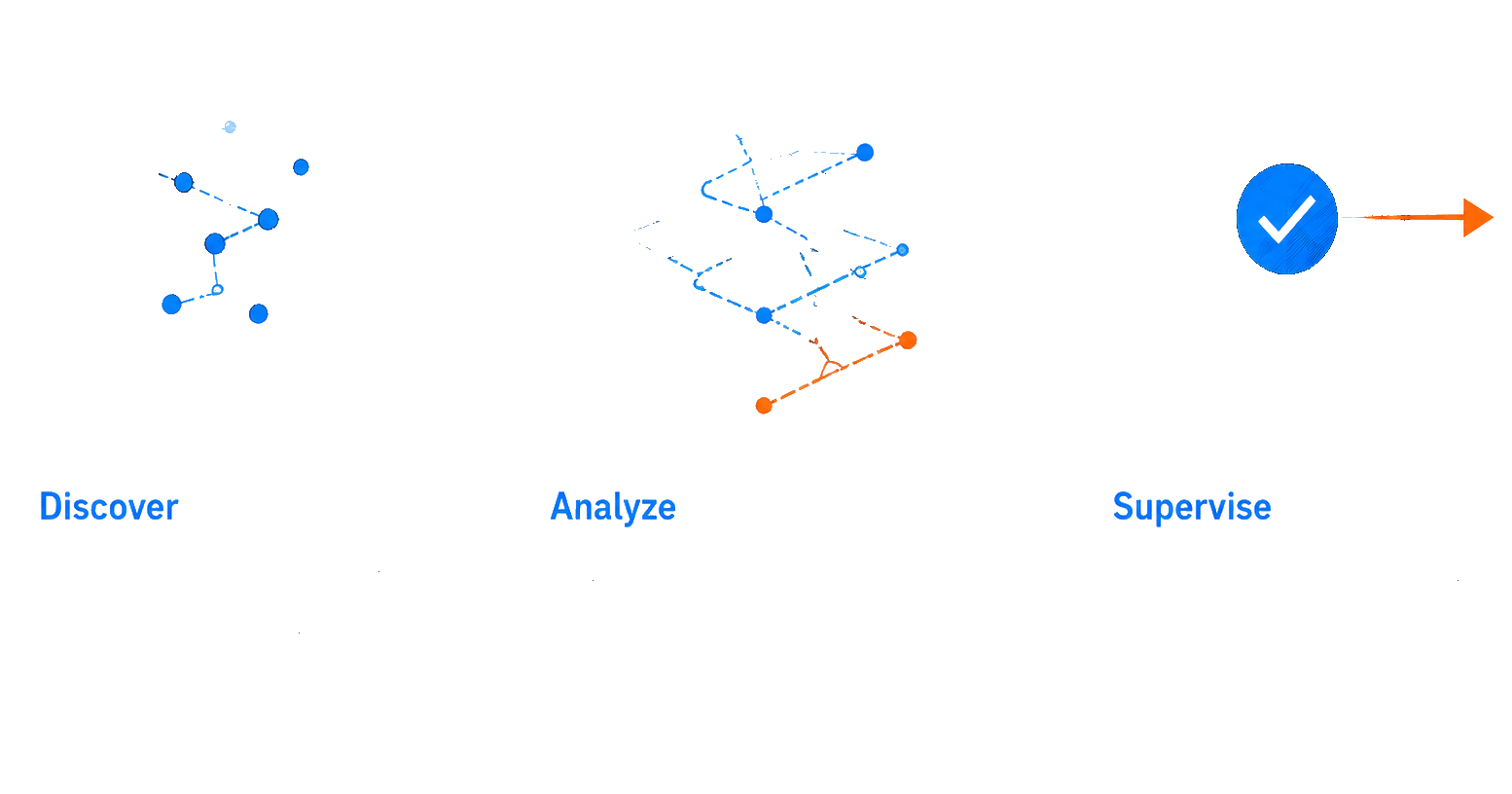
The durable answer isn't a better test before launch. It's a layer that watches while the work happens, and it follows the arc of the whole conversation in three moves.

The part worth stealing is in the middle. Rather than dump everything into storage nobody queries, Classie pre-composites the data, a phrase Poonacha borrowed from his 3D-graphics days, so the picture assembles itself like a jigsaw as it arrives, until the system can reason about intent. Watch intent over enough time and you get behavior, and behavior is the only honest basis for the thing every transaction actually runs on.

Trust is the foundation of any transaction. We have to establish that trust.